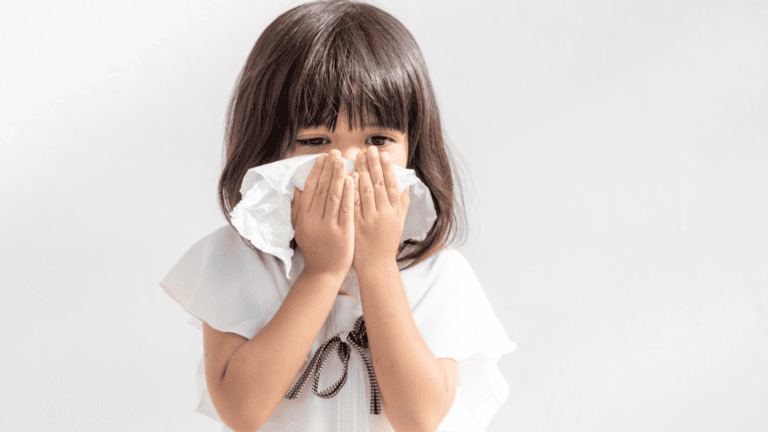

What can we do to beat the bugs?
Is it me, or are there more and more sickness bugs, viruses and coughs and colds this year than before? Or is it just my kids and their friends who seem to be constantly sniffy and snotty!
The coughing in our house as seemed to have gone on and on and I do think since covid, our children are more prone to picking up all sorts of bugs that are flying around at nursery or school. I truly believe our children’s and our own immune systems have been weaken as a result of being inside for so long during those awful lockdown days.
Children are often in close physical contact in group settings, whether that be school or clubs and are often sharing things like books, toys, games, pencils etc.
It is therefore important to support our children’s immune system (and our own!) to fend off infections, bugs are viruses wherever possible.
The immune system is the body’s defence against disease and infection and a health, balanced diet with a variety of foods from the main food groups can help to keep it working really well.
Did you know that our immune system remembers every microbe it has ever fought and defeated. This means that if a microbe enters the body for a second time, the immune system has a stored record that enables it to quickly recognize and fend off the microbe before it has the chance to infect you.
One of the best ways of helping the immune system to stay healthy is to eat foods high is anti-oxidants which you may have heard of, but what exactly are anti-oxidants?
Antioxidants are molecules that can help your body to fight off something called “free radicals”. Free radicals can cause serious harm quickly within the body and so we need to make sure that we have antioxidants within our diet to fend off these harmful substances.
Our immune system also produces proteins called antibodies which are found in our blood cells but are located in many areas of our bodies including skin lungs, tears, saliva and breastmilk!
Their role is to attack or eliminate “intruders” such as bacteria, viruses or pathogens which can lead to us getting sick.
So, we have to ensure our bodies are healthy and contain a balance of nutrition to produce these amazing substances that we all need to survive.
We all know the importance of a healthy diet, but if we are really concentrating on keeping ourselves fit and well during these wintery months, then these are the vitamins and minerals that we all need to give our bodies a fighting chance of combating those nasty colds and viruses that seem to be prevalent a lot at the moment.
VITAMINS
Vitamin A
It is a powerful anti-oxidant, used in the body to fight toxins. Vitamin A is also essential for eye health, strengthening bones and teeth and for growth and repair of body tissues.
This amazing vitamin is found in the following foods:
- Eggs
- Cheese
- Whole milk.
The body can also make Vit A from beta carotene and this is found in:
- Dark green leafy veg. (e.g. spinach)
- Orange-coloured fruits and veg such as carrots, butternut squash and cantaloupe melon.
- Dried apricots
- Tomatoes
- Mango
Vitamin B12
Vitamin B12 is used to form our red blood cells and also is a vital part of our nerve production. If we are deficient, it can lead to tiredness and fatigue. Your body doesn’t make Vitamin B12 and it is only available from animal-based products or from supplements.
Animal sources include:
- Meat
- Fish,
- Eggs
- Dairy.
If you are vegan, then it is really important to get Vit B12 from supplementation.
Did you know that 2 tablespoons of tuna in a sandwich can provide all the vitamin B12 a child needs for the day!
Vitamin C
Vitamin C is a powerful anti-oxidant and it is very important in the fight against infection. Did you know that it is also really important for healing wounds!
It is also needed to make collagen which is a fibrous protein in connective tissue!
Vitamin C is quite unstable in the body and isn’t stored well so it is important to have food high in Vit C on a regular basis.
- The best sources are:
- Green leafy veg e.g. cabbage
- Broccoli
- Potatoes
- Frozen peas
- Oranges
- Blackcurrants
- Kiwi fruit
- Mango.
Did you know that broccoli is a great source of Vit C and is a popular veg with children. 5 small steamed florets will provide under 11s with the Vitamin C they need for the day!
Vitamin D
Commonly known for being essential for bone and teeth strength, Vitamin D is also good for supporting our immune system and helps to regulate inflammation in the body which can be a common issue when faced with bugs, colds and viruses.
The best source of Vitamin D is the sun which isn’t useful for a lot of the year in the UK! We are not known for our long, sunny climate!
It is actually quite tricky to get Vit D from food sources, it is present in oily fish, eggs and some fortified cereals so as you can see, there are limitations, especially if you are a vegan, or like me, have a fish allergy!
That is why it is so important to take a daily Vit D supplement. For children of 1-4 years, they should be taking a daily supplement of 10 micrograms all year and older children should be taking a supplement throughout the autumn and winter months. I personally believe all adults should also take a supplement of 10 micrograms a day throughout autumn and winter.
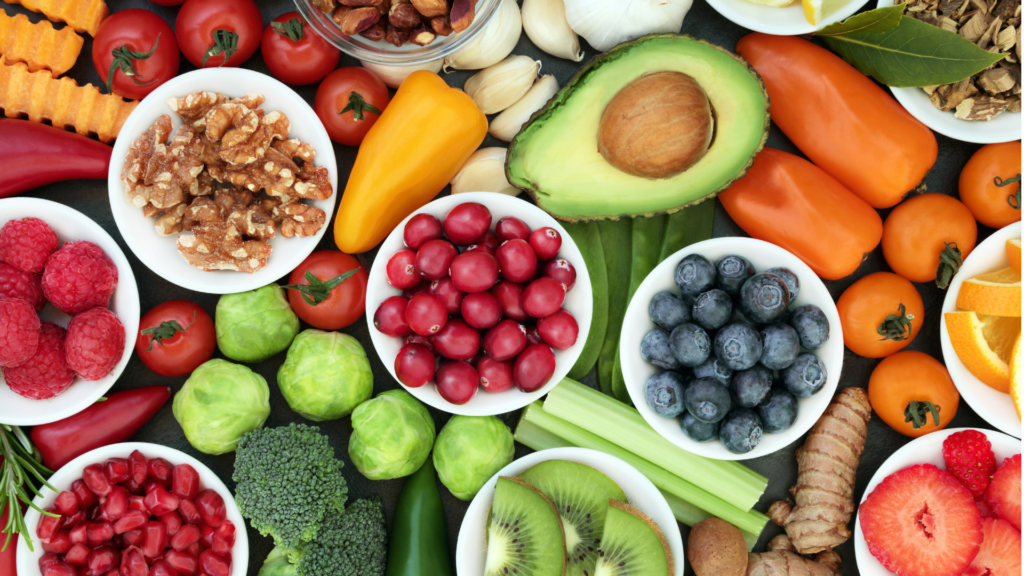
MINERALS
When we are thinking about how to improve our immunity, we tend to think a lot about the vitamins, especially vitamin C, however the minerals present in our food also have some amazing protective properties which should also be considered when we are doing our food preparation. These are some of the most important ones when considering how we can keep our children illness free!
Copper
Copper is found in all body tissues and plays a vital role in making red blood cells, maintaining nerve cells and the immune system. It is also involved in energy production within the body.
Copper is found in shellfish, whole grains, beans, nuts, potatoes and meats such as liver and kidneys.
Iron
We all need iron to survive. It is needed to transport oxygen around the body and for muscle development. It is also a key player in a healthy immune system and if you are low in iron, you can become more susceptible to infections.
Some foods contain more iron than others and these tend to be:
- Red meat
- Offal
- Fish
- Poultry.
You can get iron from plant-based sources such as:
- Pulses and lentils
- Dark green veg such as spinach, kale and broccoli
- Nuts and seeds.
- Dried apricots and figs
- Tofu
- Bread and breakfast cereals
Did you know that Vitamin C can help the body absorb iron – so why not try some slices of orange in the morning alongside your fortified cereal.
Selenium
This is another powerful anti-oxidant in the body. The selenium content of foods can vary considerably depending on the selenium content of the geographical sources where the animal was raised or the plant was grown.
Good sources are:
- Meat such as beef, liver, turkey and chicken
- Fish, especially tuna
- Tofu
- Baked beans
- Eggs
- Brazil nuts
- Milk.
Zinc
Again, this is a strong anti-oxidant and zinc is present in every body cell and is critical for the production and function of the cells within our immune system. It is also needed for your sense of taste and smell which can be altered during illnesses.
Great sources of Zinc include
- Shellfish
- Meat and poultry
- Fish, especially salmon, sole and sardines.
- Eggs
- Pulses, and beans
- Milk
- Yogurt
- Cheese
- Wholegrain such as quinoa, brown rice
- Mushrooms
- Pumpkin seeds
- Pine nuts
- Kale
- Peas
- Asparagus.
- Some fortified cereals.
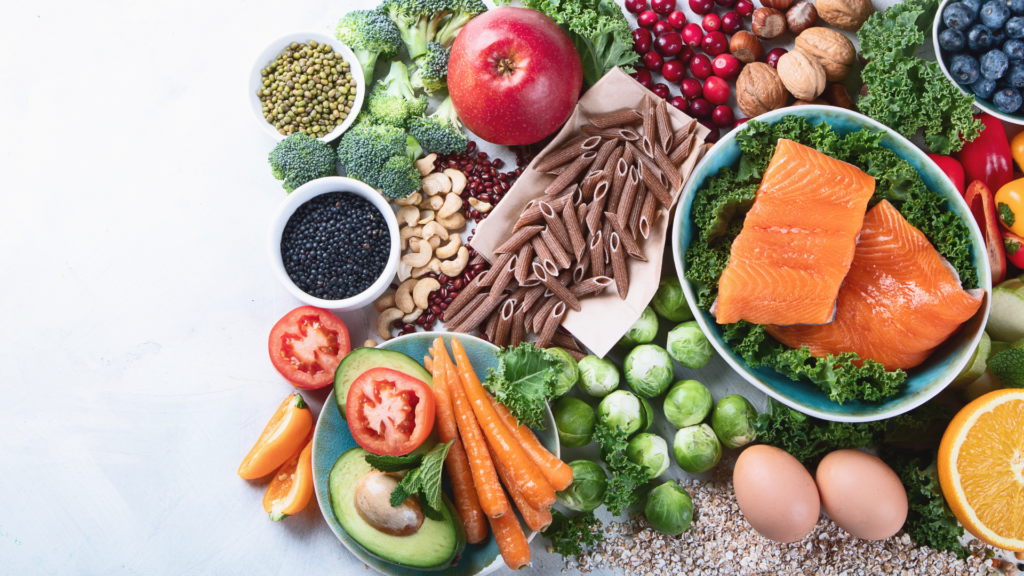
Recipe ideas for maximum vitamin and mineral protection.
Here are some really great meal ideas to try and incorporate as many of these protective vitamins and minerals into the diet as possible in 1 meal!
- A simple omelette made with cheese, spinach, chicken and mushrooms served with slices of mango and kiwi fruit.
- Chili con carne made with beef and lentils and cheese sprinkled on top. Served with brown rice, asparagus and peas.
- Jacket potato with beans, cheese and slices of boiled egg. Serve with steamed broccoli and slices of orange
- Apple and blackcurrant crumble made with oats, wholemeal flour and pumpkin seeds served with custard and some dried apricots.
- Seafood wholemeal pasta made with prawns, mussels and calamari served with a homemade pesto made with pinenuts and Brazil nuts.
- Turkey stir-fry with spinach, mushrooms, butternut squash and kale served with an egg fried rice. Serve with some full fat yogurt and berries.
- Sardines on wholemeal toast with butter and a side of mushrooms cooked in some cream and cheese.
- Cheese, onion and potato pie made with a creamy filling. Sprinkle mixed seeds on top of the pastry and serve with cabbage and kale. Add a portion of melon
- Lentil and bean curry served with Greek yogurt and mango slices
- Chicken fillet stuffed with full fat cream cheese and served with roasted potatoes and green veg. Serve with a mango and kiwi fruit salad.
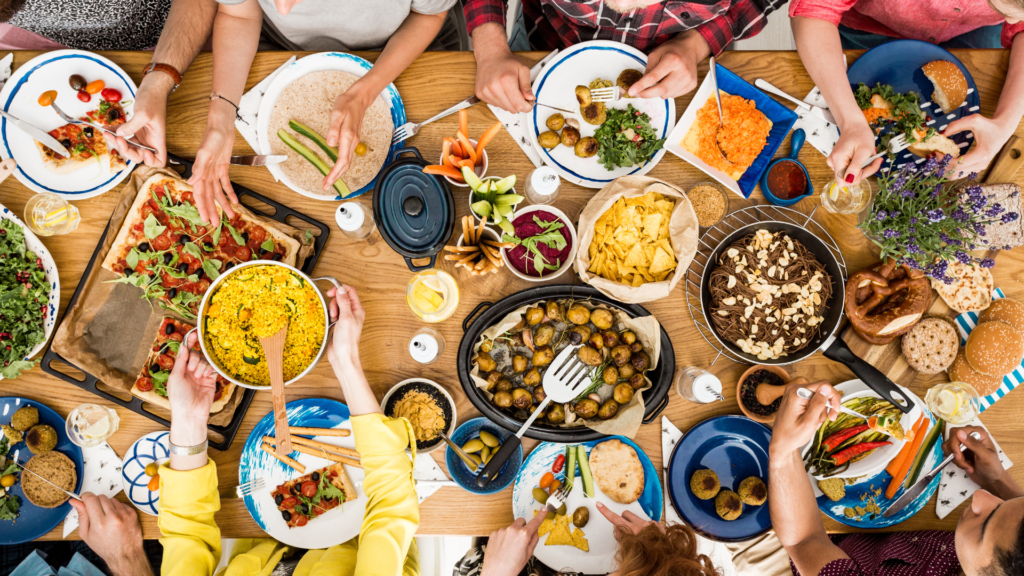
Other ways of protecting against bugs!
Everyone in the family can also take simple precautions to help stay healthy. Apart from maintaining a healthy diet, washing our hands is so important! Make sure your children frequently wash their hands properly especially before a meal.
Also, teach them to sneeze or cough into their elbow and stay away from people who are sick if possible. Regular fresh air is also important, as is exercise and getting enough sleep! So, combining these things with a healthy balanced diet can really fight back against those nasty viruses and infections that seem to be lingering longer and longer!