

What is responsive feeding when weaning?
When I first had children, I am not going to lie but I found having my life completely utterly turned
upside with no sense of routine quite hard to take and I found myself believing that if Jack had some
sort of routine, my life would be easier. So, yes, I decided to read Gina Ford. In fact, I even made up
spreadsheets with set times for sleep, eat and play and stuck them up all over the house! I was
convinced that this would give me some sort of sense of “myself” back – well, how wrong was I?!!
I didn’t take long for me to realise that Jack didn’t “conform” to any sort of routine. And, trying to
keep to Gina Ford’s ridiculous timescales was far more distressing than it was before I thought it
was a good idea to brush off my excel skills and tabulate the life of a baby in lines and columns.
I very quickly realised that in terms of responding to Jacks needs at the times he needed to eat,
sleep, play or just cuddle up was far more rewarding.
When we talk about responsive feeding when weaning, it is all about going back to basics and
listening to our little ones. We need to understand that the only person who knows when they want
to eat and when they are hungry are our clever babies themselves. At 6 months, they are not able to
tell us vocally that they are hungry or that they have had enough to eat so we need to look out for
their cues.
Responsive feeding – at the start!
When we begin weaning, we need to understand that not all babies are ready to eat at 6 months
and it is not uncommon for babies to not be interested in food at this age. We do need to keep
offering food from 6 months (as long as our babies are showing the physical signs of being ready to
eat which are all discussed in my weaning workshops) but if they are not seemingly
bothered about eating just yet, we can’t do anything about it. And so, when we start weaning, we
need to be responsive. We need to respond to our babies and when they are ready to start eating,
they will. Don’t forget, their milk, whether breast or formula, gives them all the nutrition they need
at this stage to keep healthy, grow and develop.
Responsive feeding as weaning progresses.
So what about once they are eating on a regular basis, how does responsive eating come into play
then? Well, this is something which we discuss a lot on our workshops. As parents, our instinct is to
nurture our young and one of the ways of doing this is via food. Food is nourishment and we want to
make sure we nourish our children. Food is one way we can fulfil maternal (and paternal) instincts of
providing sustenance to ensure our babies are well looked after. But, we need to do this
responsively.
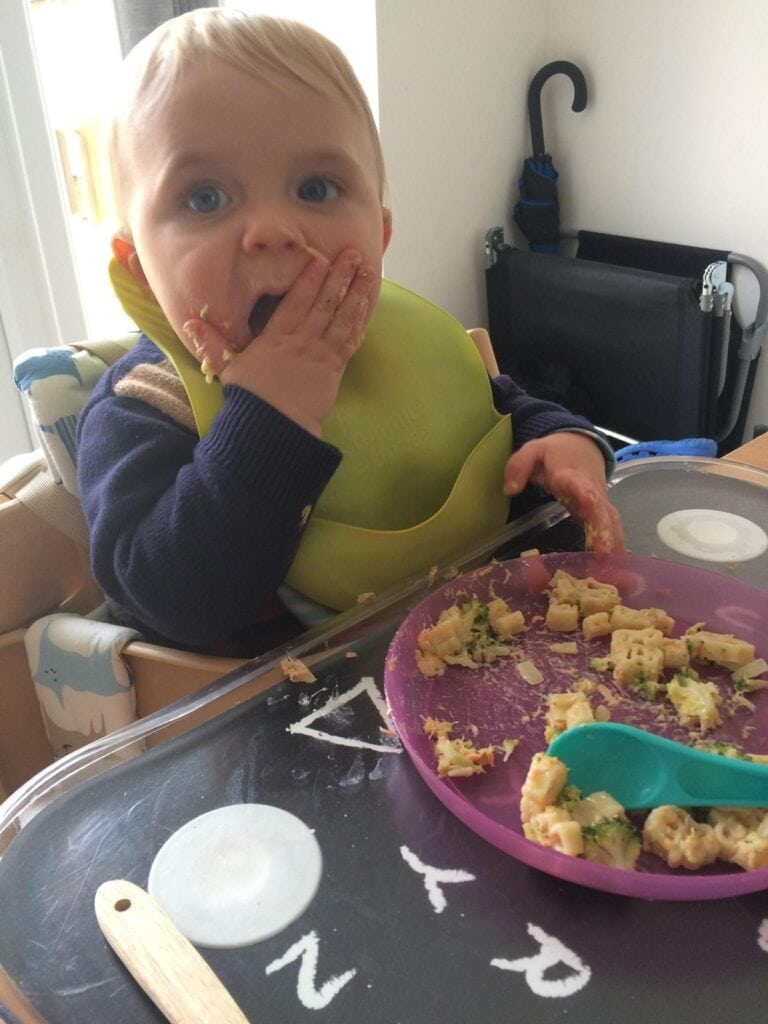
We have to listen to our small people as they start on solids. We need to offer finger foods or purees
on spoons but we need to look for those cues that they have had enough and their little tummies
are full. For those doing baby-led weaning (blw), it is a lot easier to notice that your baby has had
enough to eat. Francesca used the blw method when we introduced solids to her and when she was
full; she would pick up the pieces left on her tray and put them on the floor. She would try and lob
pieces to the other side of the room or she would try to feed them to Gromit, our dog! Once she
started doing this, I knew it was time to get her out of her highchair as mealtime was over.
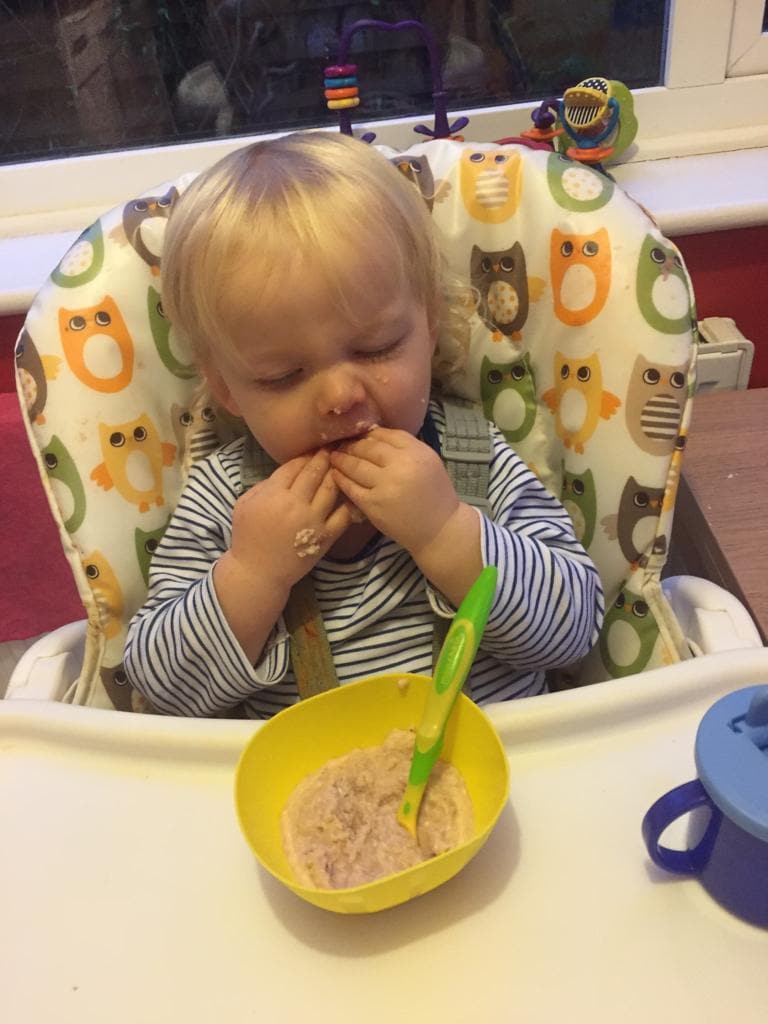
Jack was puree fed predominantly. And I have to admit that seeing his cue’s that he was full were a
lot harder to spot as it is quite easy for a baby to just keep opening their mouth to accept another
mouthful. However, I noticed that he started to clamp his teeth down around his spoon, start
arching his back as if he was bored and doing a lot of whinging. So, I soon began to understand that
he had eaten enough at that mealtime and he was ready to get down from his highchair.
What about portion sizes?
We also need to remember that there are no recommendations around portion sizes at this age as
our babies are all growing at different rates, their food intake needs are different, their body shapes are different and their appetites will vary considerably. That is why we have to let them take the
lead when they are eating. Trying to get them to eat more because you feel like they should, isn’t
responsive feeding. Encouraging them to have 1 more spoonful and doing the “choo choo train” into
their mouth (aka a tunnel) isn’t responsive feeding. Trying to encourage them to finish their whole
plate full of food because you don’t want waste isn’t responsive feeding. We have to give our little
ones the benefit of the doubt that they know when they have had enough and that their tummies
are full and content.
What do experts say about responsive feeding?
Dr Amy Brown who wrote the book “Why starting solids matters” defines responsive feeding as the
following:-
“A reciprocal relationship between an infant or child and his or her caregiver that is characterised by
the child communicating feelings of hunger and satiety through verbal or nonverbal cues, followed by
an immediate response from the caregiver. The response includes the provision of appropriate and
nutritious food in a supportive manner, while maintaining an appropriate feeding environment”
I think this definition is great! It says it all in a nutshell and it is more than just providing nutrient rich
foods but it about how the relationship you have with your child (and vice versa), is based on trust. It
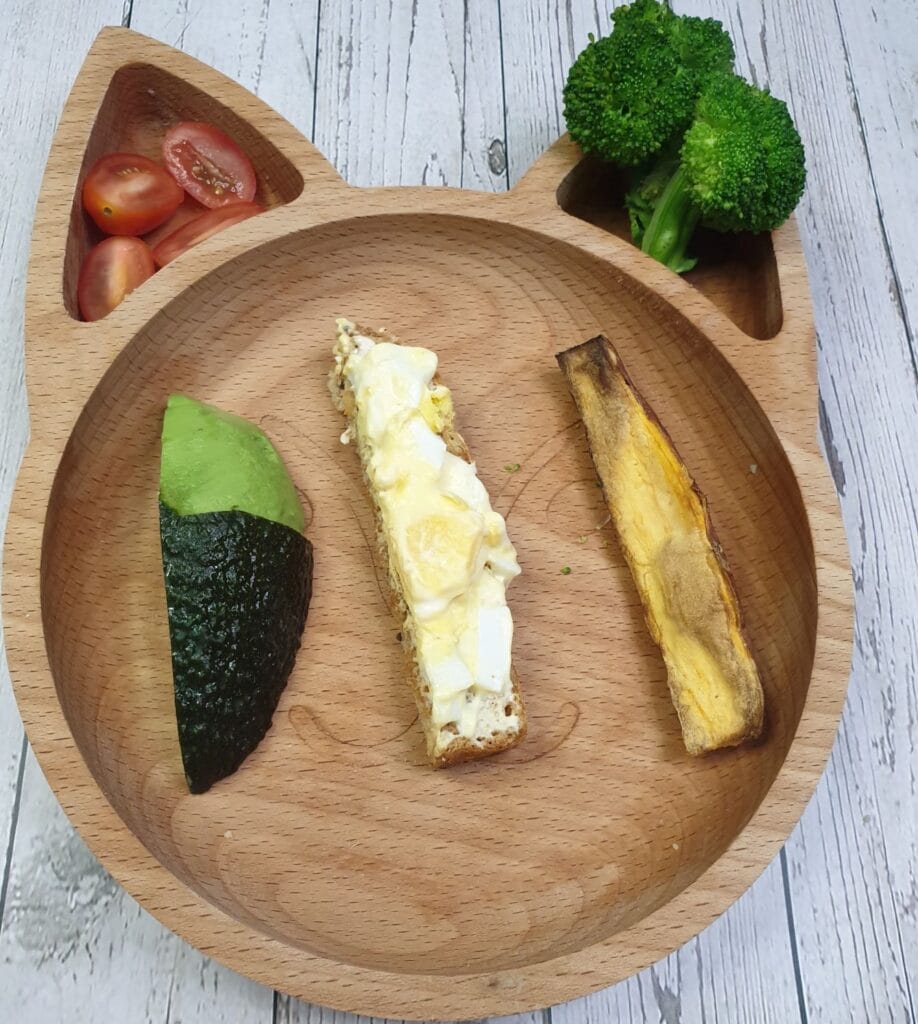
is about meeting your little ones’ needs. It is about offering a variety of foods but also being realistic,
they are not going to love everything on their plate all the time but offering a variety of tastes and
textures will really encourage a healthy diet from 6 months and a positive relationship with food.
And be good models! When your baby or child sees you eating a healthy, varied and interesting diet,
it becomes the norm and they will start to model your behaviour. Parents who eat lots of vegetables
and fruit themselves, and eat a wide and varied diet, are more likely to have children who eat in a
similar way (Cooke et al, 2004)
Responsive feeding – a conclusion.
Responsive eating is about listening, watching and trusting your baby and becoming accustomed to
those cues that they have eaten enough at that mealtime. This is about setting them up on the right
path to the bigger picture which is fostering positive emotions around eating and exposing them to
many healthy tastes and textures resulting in a healthy diet, body and mind.
Finally, I have to mention that weaning is from 6 months for many reasons and these are based on
evidence, research, science and facts. Therefore, when I see people posting on social media that it is
“fine to wean your baby at 3 months because you need to listen to your baby and they must be
hungry for food as they keep waking in the night” – this is NOT the responsive feeding I am talking
about! Responsive feeding needs to be done alongside the official health guidelines so that your
baby has the best chance of a healthy and happy food relationship now and throughout their lives.
So, sit back and trust in your little person. You are helping them to recognise when they are hungry
or full which is an innate human skill. It is this skill which sets them on the path to healthy eating and
having a positive relationship with food and in my opinion, this is one of the best and most
rewarding skills to have.
References
Brown, A. Why Starting Solids Matters. Pinter and Martin; 2017
Cooke, L.J., Wardle, J., Gibson, E.L., Sapochnik, M., Sheiham, A.,& Lawson, M. (2004). Demographic,
familial and traits predictors of fruit and vegetable consumption by pre-school children. Public
Health Nutrition, 7(02), 295-302
