
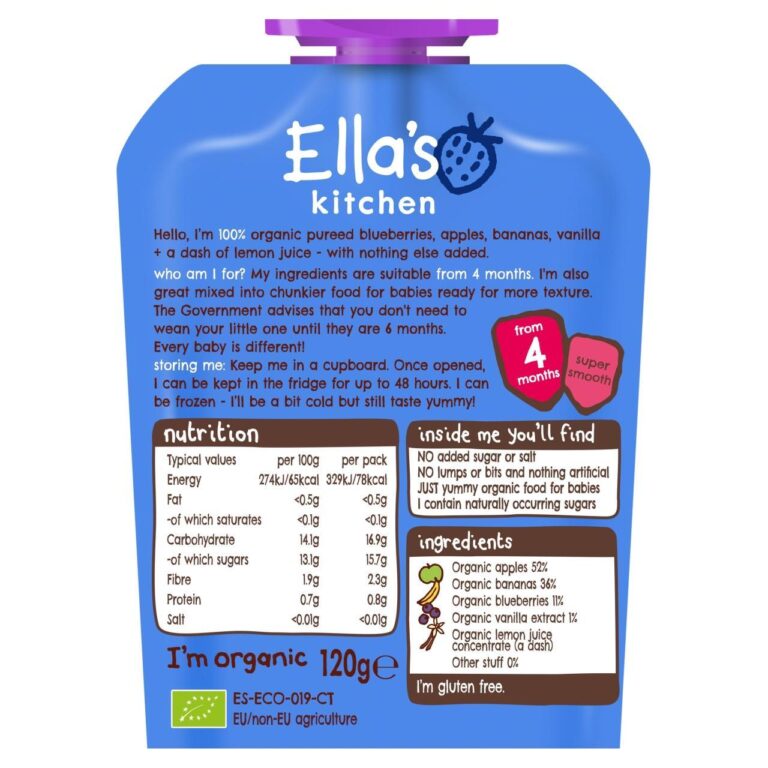
In today’s fast-paced world, convenience often takes precedence over caution, especially in the realm of infant nutrition. A troubling trend has emerged where leading baby food manufacturers prioritise profits over the health of our youngest and most vulnerable population. The widespread availability of ultra-processed baby foods—laden with excessive sugars, salts, and additives—has sparked what many experts are calling one of the greatest food scandals of our time.
The Rise of Ultra-Processed Baby Foods
Ultra-processed foods (UPFs) are industrial formulations typically containing multiple ingredients, including substances not commonly used in home cooking, such as preservatives, emulsifiers, and artificial flavors. While UPFs have become ubiquitous in adult diets, their infiltration into baby and toddler foods is particularly alarming.
A comprehensive study by the University of Leeds analysed 632 baby food products and found that 41% had excessive sugar levels, with some deriving up to 71% of their calories from sugar. Notably, Ella’s Kitchen’s pear and peach baby rice and Heinz’s fruity banana custard were among the worst offenders. Additionally, 21% of the products were too watery to provide sufficient nutrition. The study also highlighted misleading marketing practices, with some products suggesting suitability for babies younger than the NHS and WHO-recommended weaning age of six months. The Guardian
Further research by the First Steps Nutrition Trust revealed that nearly a third of baby and toddler foods sold in UK supermarkets are ultra-processed. These products, dominated by baby snacks, cereals, biscuits, and rusks, contain high levels of salt, sugar, fat, and additives associated with health risks such as obesity, cancer, type 2 diabetes, and cardiovascular disease. By ages two to five, ultra-processed foods constitute 61% of UK children’s calorie intake, higher than in the US and Australia.
A European-wide study published in Nutrients analysed 3,427 baby food products across 27 countries. It found that nearly 30% were ultra-processed, with categories like baby biscuits, cereals, and snacks being the most affected. Alarmingly, many of these products carried labels such as “natural” or “no artificial ingredients,” yet still contained high levels of sugar, fat, and sodium, and lower fibre content compared to minimally processed options
Health Implications for Our Children
The consumption of ultra-processed baby foods has significant health ramifications. Nursery manager Melanie Smith observed a growing trend among toddlers rejecting fresh, nutritious meals in favor of commercial baby food and snacks, leading to issues such as tooth decay and speech delays. The Guardian
Experts criticize the lack of government regulation on baby food composition and marketing, noting that misleading labels and high sugar contents further compromise infant health. Dr. Vicky Sibson, director of the First Steps Nutrition Trust, emphasized that companies are misleadingly marketing inappropriate and unnecessary products as ‘natural’ or with ‘no added ingredients’ when they are, in fact, ultra-processed, risking damage to children’s long-term health and development. The Guardian
Furthermore, a comprehensive international study found that consuming higher amounts of ultra-processed foods significantly increases the risk of early death. Published in the American Journal of Preventive Medicine, the research revealed that every 10% increase in UPF consumption is linked to a 3% rise in all-cause mortality risk. The study attributed as many as one in seven premature deaths in some nations to high UPF intake.
The Role of Misleading Marketing and Baby Foods.
Manufacturers often mislead consumers by using labels like “organic,” “natural,” or “no added sugar.” But these claims mask the reality: many of these products are still ultra-processed and high in sugars. The Royal College of Paediatrics and Child Health has condemned such marketing as “disingenuous,” calling for mandatory regulations on salt and sugar content.
First Steps Nutrition notes that some fruit snacks, although made from purees and juices, resemble confectionery more than whole fruit, and are high in sugars unsuitable for children under 3.
The Need for Regulatory Reform for Baby Foods.
Currently, the UK government relies on voluntary guidelines for baby food products. This approach has proven ineffective. Experts, including Dr. Vicky Sibson from First Steps Nutrition, are calling for:
- Mandatory regulations on sugar and salt content,
- Front-of-pack warning labels, and
- Restrictions on misleading advertising.
The First Steps Nutrition Trust also recommends that:
Not more than 15% of calories in fruit/veg-based snacks should come from sugar (First Steps guidelines PDF).
No added sugars (including fruit powders/pastes) should be permitted in foods marketed for children under 36 months.
Empowering Parents and Caregivers
While systemic reform is essential, there are steps that families can take right now:
- Read Labels Critically: Don’t trust front-of-pack marketing—check the ingredients list.
- Choose Real Foods: Offer mashed fruits, steamed vegetables, or homemade meals instead of pouches.
- Support Change: Join campaigns that call for stronger regulation of baby food.
- Use Trusted Resources: Explore sites like First Steps Nutrition to make informed choices.
Conclusion
The infiltration of ultra-processed foods into baby and toddler diets is a public health crisis that demands immediate attention. It’s imperative that we hold manufacturers accountable and push for regulations that prioritize the health and well-being of our children over corporate profits. By staying informed and advocating for change, we can work towards a future where every child has access to nutritious, wholesome food
